Artificial Flowers & Plants: The Honest Answers People Are Actually Looking For
For many years, artificial flowers and plants carried a reputation they didn’t fully deserve. Cheap plastics. Obvious finishes. Décor that felt temporary or impersonal.
That world has changed.
Today, high-quality artificial botanicals are being chosen intentionally — by homeowners, offices, medical practices, hospitality spaces, and designers — not as a compromise, but as a smarter long-term solution.
Below, we answer the most common (and most honest) questions people ask when considering artificial flowers and plants.

1. Are artificial flowers worth it?
Short answer: Yes — if you value longevity, consistency, and low maintenance.
Artificial flowers are worth it for people who want their spaces to look polished every day, without the recurring cost, effort, or unpredictability of fresh flowers or live plants.
Where fresh flowers are fleeting by nature, quality artificial arrangements are designed to:
- Look beautiful year-round
- Hold their shape and color
- Eliminate weekly replacements
- Reduce ongoing spend
For homes, offices, and professional spaces, the value is not just visual — it’s operational. Once placed, artificial arrangements simply stay right.
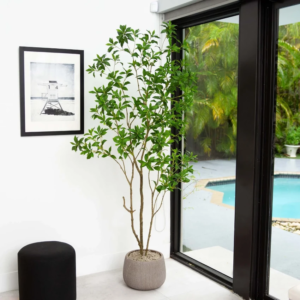
2. Artificial vs real plants: cost, maintenance, and longevity
This is where the decision becomes practical rather than emotional.
Cost
- Real plants & flowers: Ongoing spend (replacement, maintenance, water, fertilizer, labor)
- Artificial plants & flowers: One-time investment with multi-year use
Over time, artificial options are typically far more economical, especially in offices or high-visibility areas.
Maintenance
- Real plants require:
- Light conditions
- Regular watering
- Pest management
- Replacement when they fail
- Artificial plants require:
- Occasional dusting
- No environmental dependence
Longevity
- Fresh flowers last days
- Live plants vary (and often decline indoors)
- Quality artificial botanicals last years, maintaining a consistent look
For busy households and professional environments, artificial plants remove uncertainty entirely.
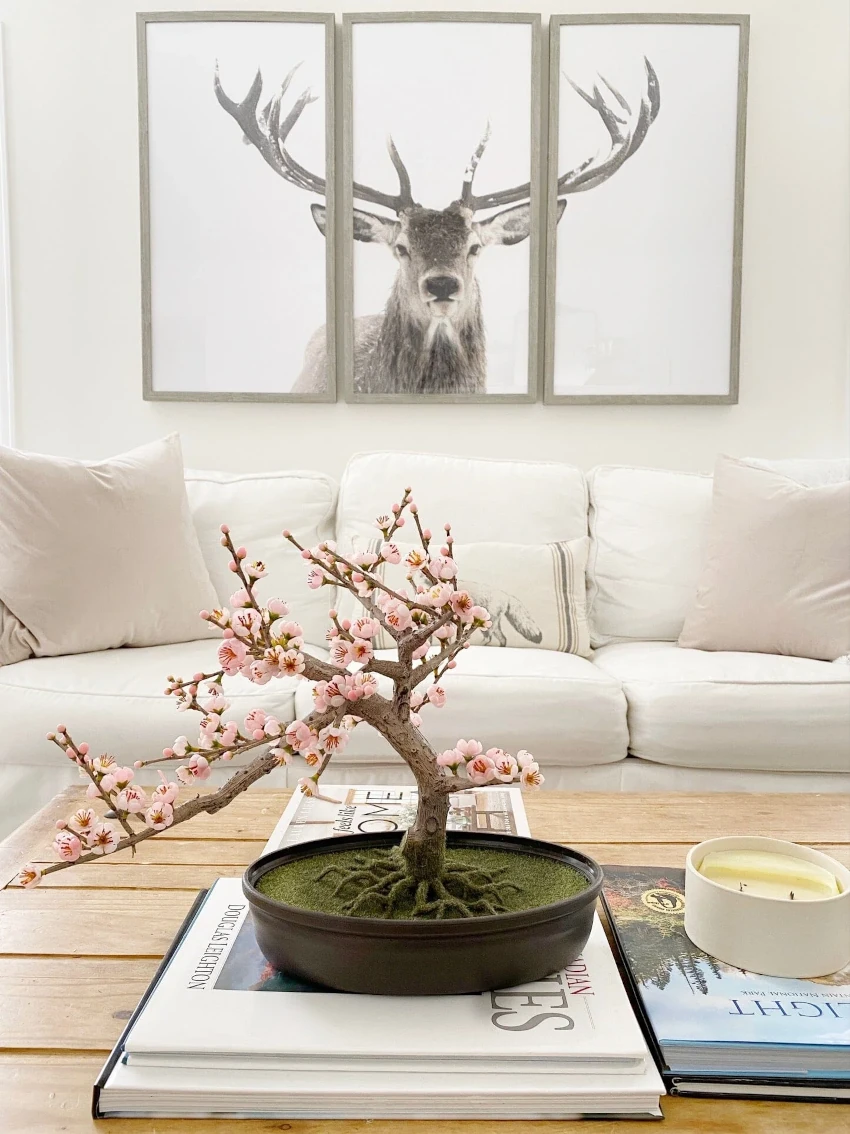
3. What are the best artificial plants for offices & reception areas?
The best artificial plants for offices and reception spaces share three qualities:
- Visual calm
- Durability
- Low distraction
Top choices include:
- Structured greenery (ferns, ficus, palms)
- Statement floor plants for corners and entrances
- Neutral, timeless floral arrangements for reception desks
- Plants that soften acoustics and add warmth without clutter
In professional spaces, artificial plants work especially well because they:
- Always look intentional
- Never wilt in front of clients
- Require zero staff involvement
- Maintain brand consistency
This is why they’re widely used in medical practices, corporate offices, hospitality spaces, and reception areas.
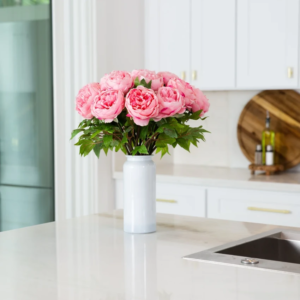
4. Do fake plants look real anymore? (Modern materials explained)
Yes — when made properly, modern artificial plants are often indistinguishable from real ones at a glance.
High-quality artificial botanicals now use:
- Advanced silk blends
- Latex-coated petals
- Textured stems and veins
- Natural color variation (no uniform “plastic green”)
The biggest difference between outdated artificial plants and modern ones is intentional imperfection. Real plants aren’t symmetrical — and today’s best artificial designs embrace that.
The result is botanical décor that feels natural, refined, and quietly convincing.
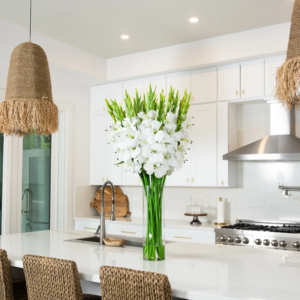
5. Are artificial plants sustainable or wasteful?
This is an important question — and the answer depends on quality and usage.
Low-quality artificial plants that are discarded quickly are wasteful.
However, high-quality artificial botanicals designed to last for years can be a more sustainable choice than:
- Repeated fresh flower imports
- High water usage
- Chemical treatments
- Ongoing transport emissions
When one arrangement replaces dozens (or hundreds) of fresh bouquets over its lifespan, the environmental footprint shifts significantly.
Sustainability isn’t only about materials — it’s about how long something is used.
6. How long do quality artificial flowers last?
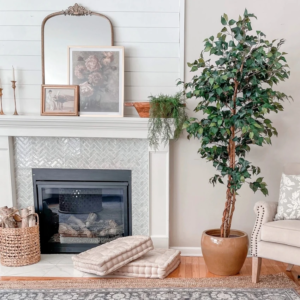
Well-made artificial flowers can last 5–10 years or longer, depending on placement and care.
Factors that affect lifespan:
- Direct sunlight exposure
- Environmental dust
- Handling frequency
With basic care — gentle dusting and mindful placement — artificial arrangements maintain their beauty far longer than most people expect.
This longevity is exactly why they’re favored in:
- Offices
- Hospitality environments
- Homes with pets or allergies
- Spaces where consistency matters
A Final Thought
Artificial flowers and plants are no longer about “fake versus real.”
They’re about choice.
They’re for people who want:
- Calm, intentional spaces
- Beauty without fragility
- Design that works with real life, not against it
When chosen thoughtfully, artificial botanicals aren’t a shortcut — they’re a long-term solution.

