How to Decorate With Artificial Plants and Trees So They Look Intentional, Not Fake
Artificial plants and trees have come a long way.
Today’s best designs are no longer the stiff, shiny, obviously fake pieces many people remember from years ago. High-quality artificial greenery can bring softness, structure, and calm into a room without watering, pruning, sunlight, pests, or the slow heartbreak of another plant quietly giving up in the corner.
But here is the honest truth:
Artificial plants and trees do not look good simply because they are artificial.
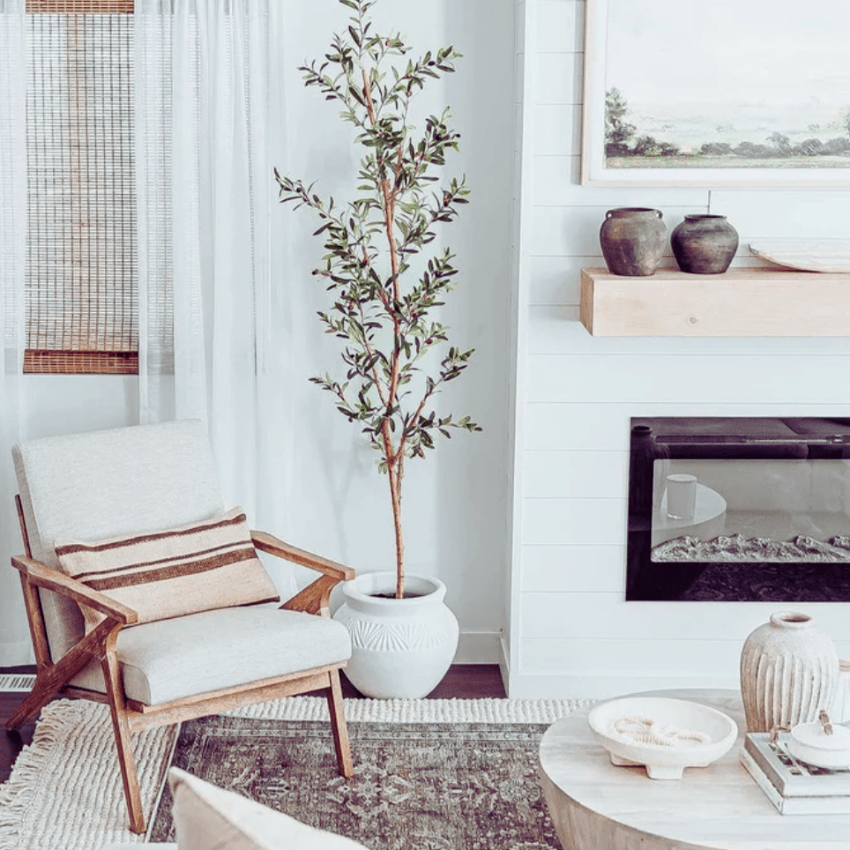
They look good when they are styled with intention.
The difference between “fake plant in the corner” and “beautiful, low-maintenance greenery” often comes down to scale, placement, texture, and restraint.
At SilkBlume, we believe artificial greenery should never feel like an afterthought. It should feel like part of the room’s design language — calm, considered, and quietly beautiful.
SilkBlume exists for people who want beautiful spaces without maintenance, replacement, or waste.
Here is how to decorate with artificial plants and trees so they look intentional, not fake.
- Start With Scale
One of the biggest mistakes people make with artificial plants is choosing pieces that are too small for the space.
A tiny plant in a large empty corner will almost always look awkward. It does not fill the space. It does not create balance. It simply looks like something was placed there because the room felt unfinished.
A well-scaled artificial tree, on the other hand, can completely change the feel of a room.
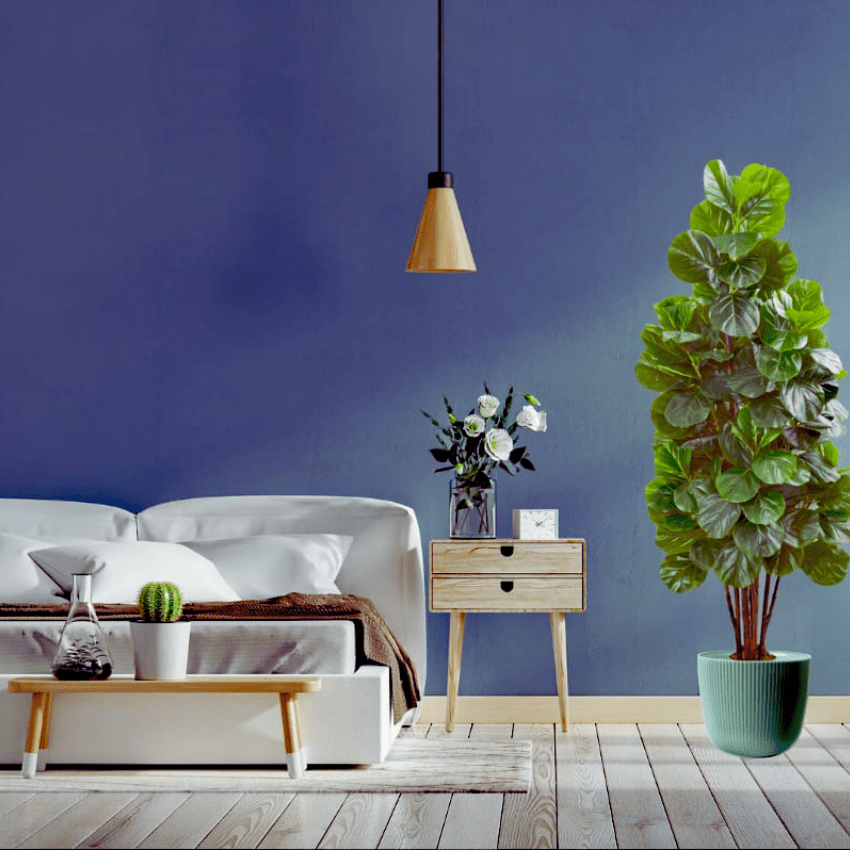
Tall artificial trees work beautifully in:
- living room corners
- entryways
- home offices
- bedrooms
- open-plan spaces
- offices and waiting areas
- beside consoles or accent chairs
Artificial olive trees, fiddle leaf figs, palms, ficus trees, bamboo, and rubber trees can add height, softness, and structure without overwhelming the room.
The goal is not to fill every corner.
The goal is to choose the right piece for the right space.
One well-placed tree can do more for a room than five scattered small plants.
- Upgrade the Pot or Planter
Sometimes the plant is not the problem.
The pot is.
Even a realistic artificial tree can lose its impact if it is sitting in a lightweight plastic container that feels unfinished. The planter is what grounds the piece and makes it feel like part of the room.
Most artificial plants and trees arrive in a basic starter pot designed for shipping, not styling. Leaving it exposed is one of the fastest ways to make even a beautiful faux plant look unfinished.
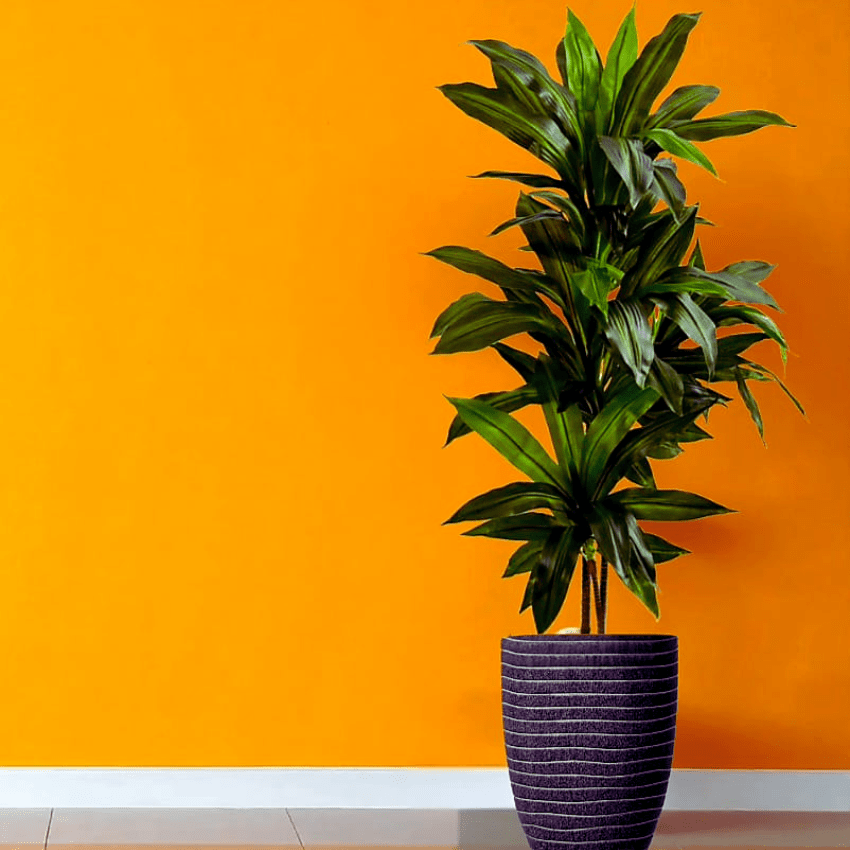
To make artificial plants and trees look more natural, consider placing them in:
- ceramic planters
- stone-look pots
- woven baskets
- textured neutral containers
- matte black or white planters
- warm terracotta-style pots
- natural fiber baskets
You can also add preserved moss, dried moss, decorative stones, bark, or natural-looking filler around the base to hide any visible plastic or artificial structure.
The plant may bring the greenery, but the planter brings the polish.
A good planter tells the eye: this belongs here.
The planter is not an accessory. It is part of the illusion.
- Place Greenery Where It Would Naturally Make Sense
Artificial plants look more believable when they are placed where real plants would naturally live.
That does not mean they need sunlight to survive — of course they do not — but visually, they should make sense in the room.
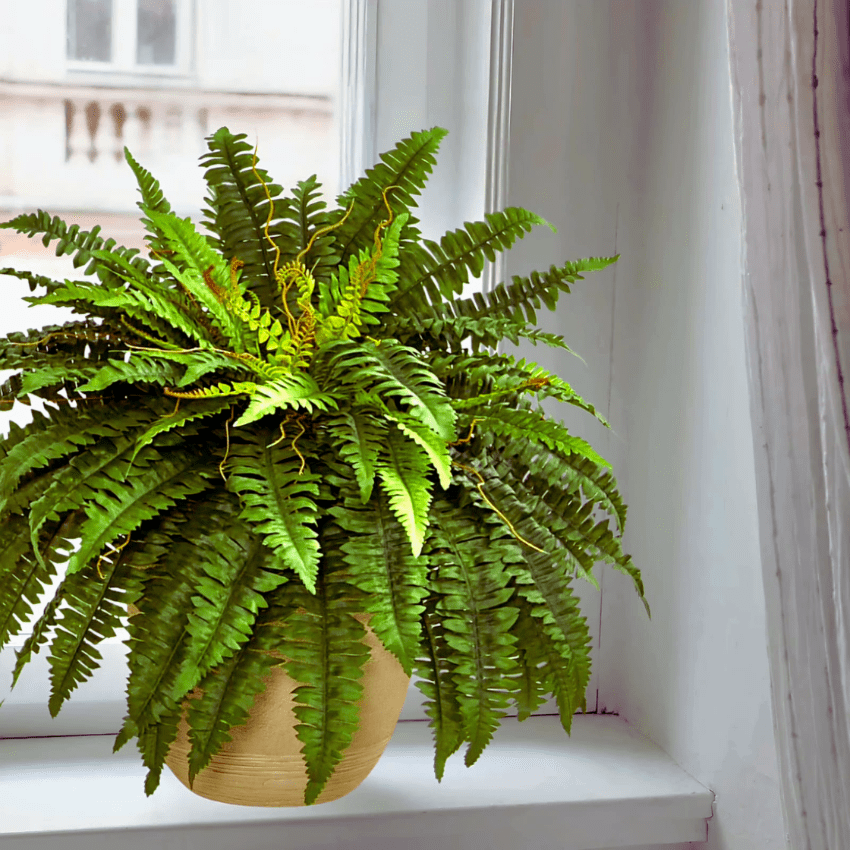
Good placement options include:
- beside a window
- near a reading chair
- next to a sofa
- in an entryway
- beside a console table
- near bookshelves
- in a home office
- in a bathroom with enough space
- in a dining room corner
- beside a bed or dresser
Avoid placing artificial plants only in forgotten corners or awkward spaces you are trying to hide.
Greenery should feel like a design choice, not a cover-up.
When artificial greenery is placed with intention, it becomes part of the room’s atmosphere.
- Follow the Logic of Real Plants
Artificial plants look more natural when they follow the visual logic of real plants.
They do not need real care, but they should still feel like they belong in the environment.
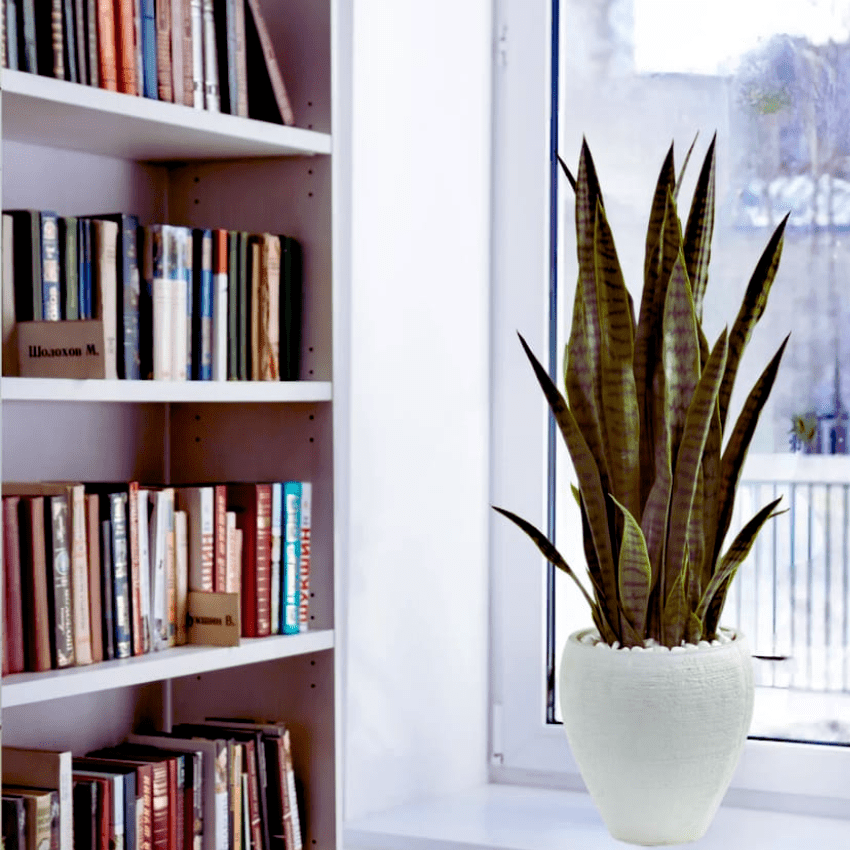
Place them where greenery would make sense:
near light, beside furniture, in an entryway, next to a glass door, beside a chair, or in a corner that needs softness and height.
When faux greenery is placed in a completely dark, forgotten corner, it can unintentionally draw attention to the fact that it is artificial. But when it sits where a real plant could plausibly live, the eye accepts it more naturally.
Good styling is often about removing suspicion.
The best artificial plants do not announce themselves.
They simply make the room feel better.
- Use Trees to Solve Empty Corners
Empty corners are one of the easiest places for a room to feel unfinished.
A large artificial tree can solve that problem beautifully.
Trees add:
- height
- softness
- visual balance
- natural texture
- a calming presence
- a more finished look
A tall artificial olive tree can make a room feel relaxed and refined. A faux fiddle leaf fig can add bold structure. An artificial palm can bring a more breezy, resort-like feel. A ficus or bamboo tree can soften office spaces, bedrooms, and larger living areas.
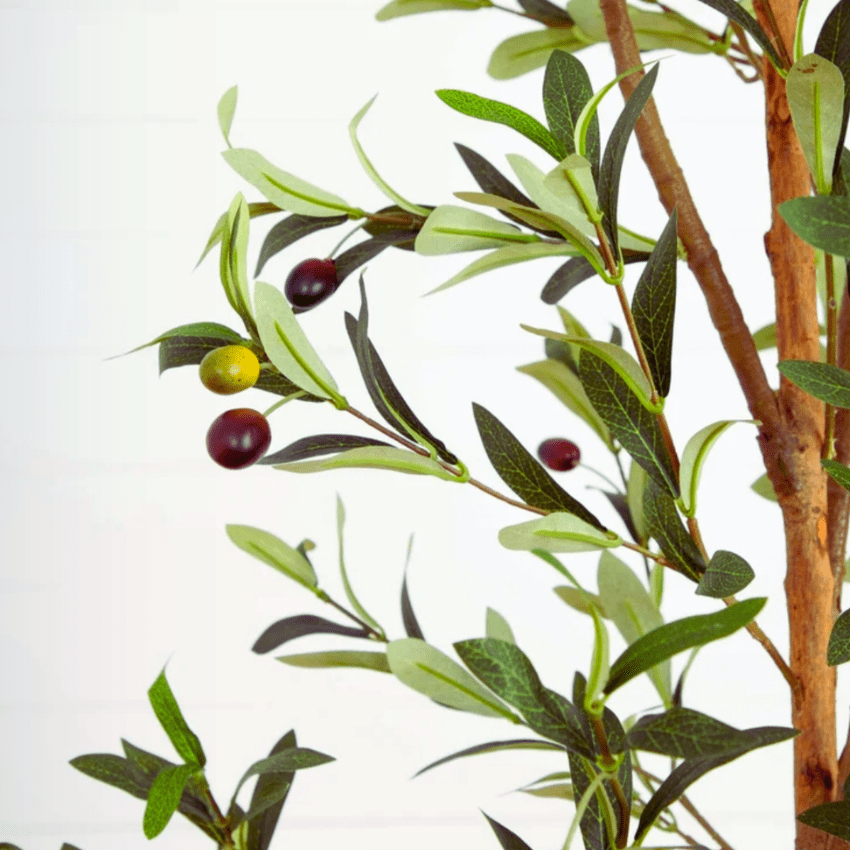
The key is to choose a tree that matches the mood of the room.
For a calm, modern home, choose softer leaf shapes and neutral planters.
For a brighter, more relaxed space, palms or fuller greenery can work well.
For a home office, choose something structured but not distracting.
A tree should support the room, not compete with it.
- Mix Greenery With Natural Textures
Artificial greenery looks most convincing when the rest of the room also speaks a natural design language.
That does not mean your home needs to look rustic or overly earthy. It simply means the greenery should sit alongside textures that help it feel grounded.
Pair artificial plants and trees with:
- wood
- linen
- stone
- ceramic
- rattan
- woven baskets
- warm neutrals
- textured rugs
- books
- lamps
- soft upholstery
This creates visual harmony.
A faux tree in a plastic pot against a blank wall can feel flat.
That same tree in a woven basket beside a linen chair, a wood side table, and a soft lamp suddenly feels intentional.
The greenery becomes part of a layered space.
That is where artificial plants stop looking like décor “added at the end” and start feeling like part of the room.
- Keep It Edited
More is not always better.
One of the fastest ways to make artificial plants look fake is to overuse them.
A plant on every shelf, a tree in every corner, and small greenery scattered across every surface can quickly make a room feel cluttered rather than calm.
The most beautiful artificial plant styling is usually edited.
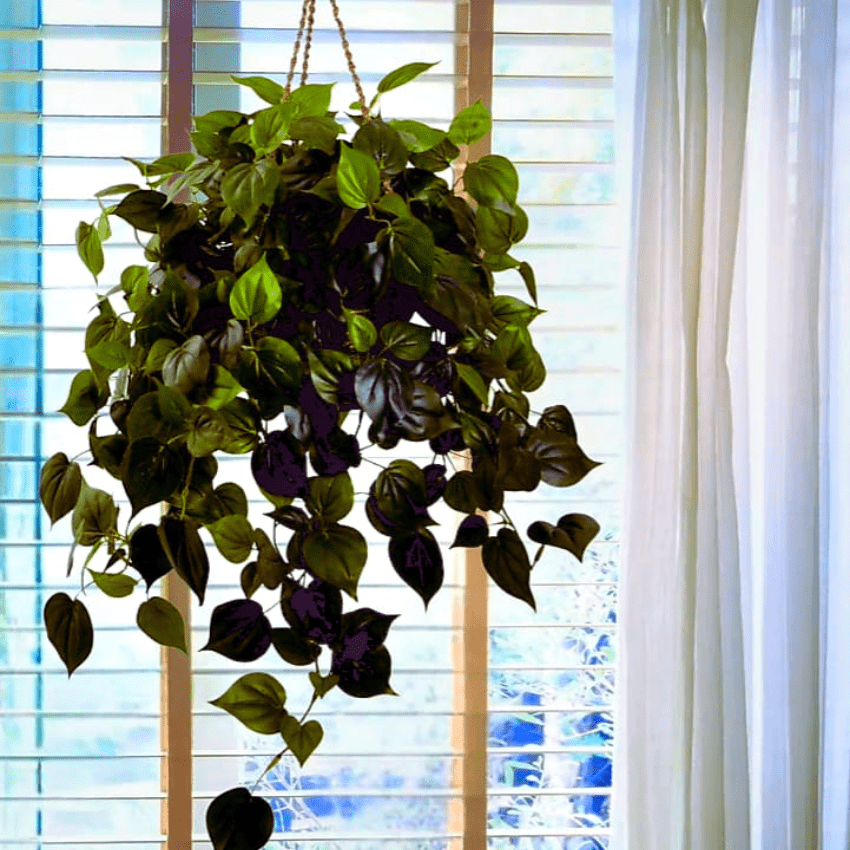
Choose fewer pieces, but choose them well.
A tall tree in the corner.
A medium potted plant on a sideboard.
A small hanging plant in a window.
That may be enough.
The goal is not to turn your home into a showroom jungle.
The goal is to add calm, texture, and visual life where the room needs it.
At SilkBlume, we believe luxury is not about more. It is about better choices repeated consistently.
- Think Room by Room
Different rooms need different types of greenery.
A plant that works beautifully in a living room may feel too large for a bedroom. A tree that adds presence to an entryway may overwhelm a small office.
Here are a few simple guidelines.
Entryway
Choose a structured plant or tree that creates a welcoming first impression.
An artificial olive tree, ficus, or tall potted greenery can make an entry feel polished without needing daily care.
Living Room
Use larger trees to soften corners and add height.
A faux fiddle leaf fig, artificial palm, or olive tree can help balance sofas, consoles, and open spaces.
Bedroom
Keep greenery calm and uncluttered.
Choose softer leaf shapes, muted planters, and pieces that add calm rather than visual noise.
Home Office
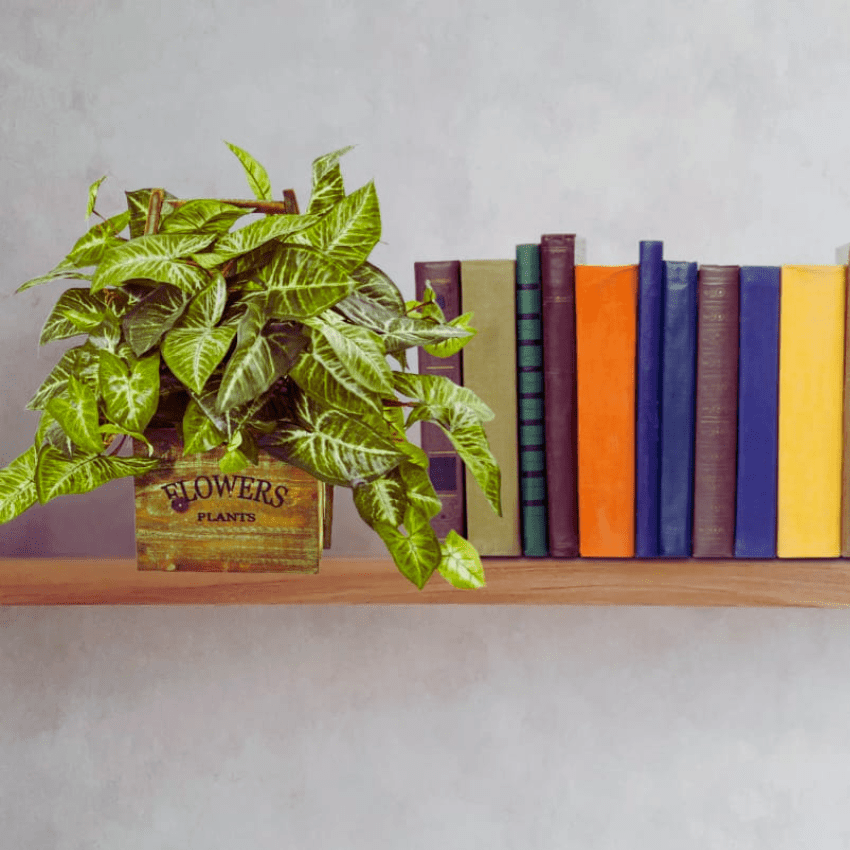
Use greenery to create focus and softness.
A plant on a bookshelf, a tree beside a desk, or a medium potted plant near natural light can make the space feel more grounded.
Kitchen
Keep it simple.
Small artificial plants work well on open shelving, windowsills, or counters where live plants may struggle with heat, moisture, or inconsistent care.
Bathroom
Artificial greenery can work beautifully in bathrooms, especially where humidity, low light, or lack of space makes live plants difficult.
Choose pieces that feel fresh, clean, and minimal.
- Avoid the “Fake Plant Corner”
We all know the corner.
The one where a plant is placed because nobody knew what else to do with the space.
That is usually where artificial greenery starts to look less believable.
Instead of thinking, “Where can I hide this plant?” ask:
“Where would greenery make this room feel more balanced?”
That question changes everything.
Artificial plants and trees should not be used to apologize for an awkward space. They should be used to bring structure, softness, and intention.
Give the plant breathing room.
Choose the right scale.
Use a proper planter.
Place it where it makes visual sense.
Let it become part of the room, not an afterthought.
- Choose Realistic Details
Not all artificial plants are created equally.
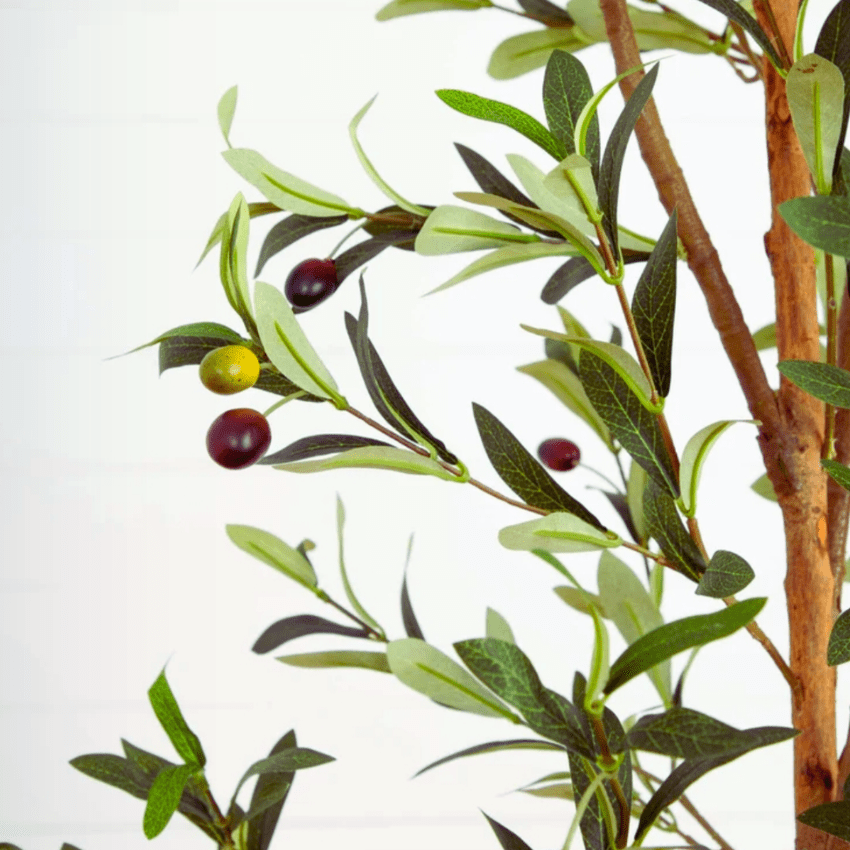
When choosing artificial greenery, look for details that make the piece feel more natural:
- varied leaf sizes
- realistic leaf shapes
- natural-looking stems
- soft, matte finishes
- slight imperfections
- fuller structure
- believable color variation
- flexible branches that can be shaped
Real plants are not perfectly symmetrical. Their leaves do not all face the same direction. Their colors are not completely flat.
The best artificial plants and trees copy that natural variation.
Look for greenery that feels botanical, not plastic. Leaves should have tone variation. Stems should have shape. Branches should feel organic rather than perfectly straight.
The small details matter because the eye notices what feels too perfect.
- Shape It Before You Judge It
Artificial plants and trees rarely look their best straight out of the box.
Branches may be pressed flat from packaging. Leaves may sit too evenly. Stems may point in the same direction.
That is not how real plants grow.
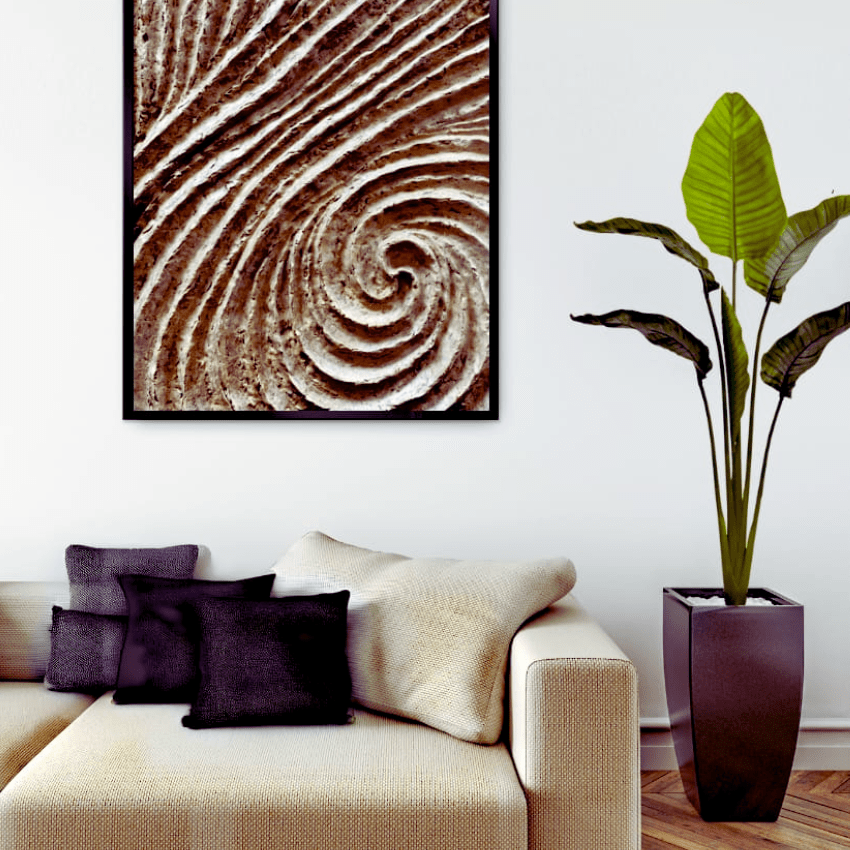
Take a few minutes to open the plant up.
Bend the branches gently.
Pull some leaves outward.
Let a few stems fall slightly lower.
Create movement and asymmetry.
Turn the most “perfect” side slightly away so the plant does not look too staged.
Real greenery is not perfectly symmetrical. That small bit of imperfection is what makes it believable.
This is especially important for artificial trees.
A tree that arrives narrow and compressed can look stiff at first. Once shaped, opened, and placed in the right planter, it can feel completely different.
Artificial greenery is still something you style.
It is not just something you unpack.
- Add Natural Finishing Details
The base of an artificial plant is often where the illusion is won or lost.
If the construction is visible, the plant immediately feels less realistic.
A simple top layer can make a big difference.
Use:
- preserved moss
- dried moss
- river stones
- decorative pebbles
- bark chips
- coconut coir
- natural-looking filler
These details help hide the base, add texture, and make the plant feel more grounded.
Avoid adding water unless the product is specifically designed for it. Moisture can damage some artificial materials, create mess, or affect the finish over time.
The goal is not to overcomplicate the display.
The goal is to make the base look finished.
A realistic tree in a beautiful planter with a natural top dressing immediately feels more intentional.
- Consider Mixing Real and Faux Greenery
There is no rule that says you must choose one or the other.
In fact, mixing real and artificial plants can make your greenery feel even more natural.
You might use a real pothos or snake plant in a sunny spot where it will thrive, and place a high-quality faux tree in a corner where a live tree would struggle.
This gives your space the best of both worlds:
the life of real greenery where it makes sense, and the consistency of artificial greenery where maintenance, light, or space is a challenge.
For example:
- a real small plant on a windowsill
- a faux tree in a low-light corner
- real cut branches in a vase near an artificial plant
- a mix of faux and real greenery on open shelving
Blending real and faux greenery can help the artificial pieces feel more integrated, especially when they share similar tones, textures, or leaf shapes.
The key is balance.
Do not make the real plant do all the work.
Do not make the faux plant look like the odd one out.
Let them speak the same design language.
- Keep It Clean
Artificial plants may not need watering, but they still need a little attention.
Dust is one of the quickest ways to make faux and real greenery look tired.
A plant can be beautifully made, perfectly placed, and styled in the right planter — but if the leaves are dusty, the whole effect disappears.

A quick wipe with a damp microfiber cloth every few weeks keeps the leaves looking fresh and natural. For fuller plants with smaller leaves, a soft duster or gentle compressed air can help remove buildup in hard-to-reach areas.
This is especially important in:
- entryways
- offices
- kitchens
- bathrooms
- high-traffic rooms
- spaces near open windows or air vents
Low maintenance does not mean neglected.
It means easy to keep beautiful.
- Why Artificial Plants and Trees Work for Modern Living
Modern life is full.
People travel. Work schedules shift. Homes are busier. Offices are changing. Not every space has the right light, humidity, or daily care routine for live plants.
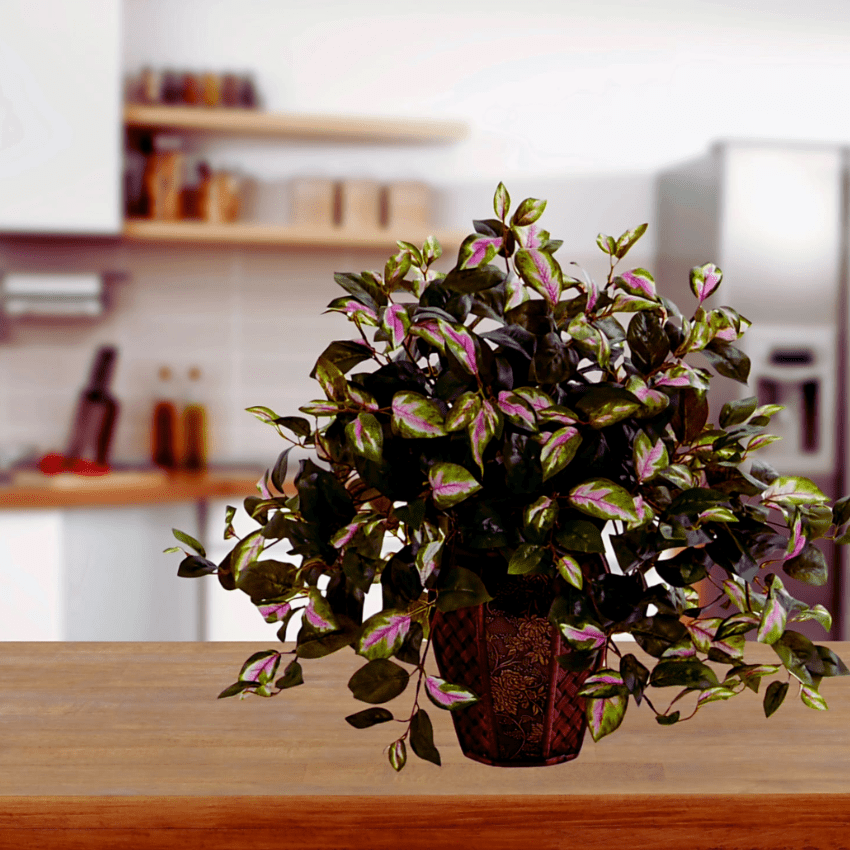
Artificial plants and trees offer a practical alternative.
They bring the feeling of greenery without the ongoing maintenance.
No watering.
No wilting.
No leaf drop.
No pests.
No sunlight requirements.
No replacing dead plants.
No guilt when you travel.
For busy households, apartments, home offices, second homes, rental properties, commercial spaces, and anyone who wants a calm, finished space without another task on the list, artificial greenery simply makes sense.
It is not about pretending.
It is about choosing beauty that works with your life.
- Where SilkBlume Fits In
At SilkBlume, we focus on artificial plants and trees that help spaces feel calm, considered, and easy to live with.
Our pieces are chosen for people who want the look of greenery without the maintenance, replacement, or waste that often comes with live plants.
Whether you are styling a living room, softening a home office, finishing an entryway, or adding greenery to a commercial space, artificial plants and trees can help create a room that feels more grounded and complete.
SilkBlume offers artificial plants, trees, and low-maintenance greenery for homes and businesses across the continental USA, with free delivery available.
Our goal is simple:
Beautiful spaces. Less maintenance. More calm.
Final Thought
Artificial plants and trees can look beautiful when they are styled with intention.
Start with scale.
Choose the right planter.
Place greenery where it makes visual sense.
Use natural textures.
Shape the branches.
Hide the base.
Keep the leaves clean.
Edit the overall look.
The result is not a fake version of nature.
It is a practical, lasting way to bring calm, texture, and visual life into your space.
SilkBlume exists for people who want beautiful spaces without maintenance, replacement, or waste.
Explore SilkBlume’s collection of realistic artificial plants and trees designed to bring lasting greenery into your home — without watering, wilting, or weekly replacements.
